
Seawilding: Scottish seagrass restoration trials
Blue Carbon Trust supports seagrass restoration trials by Seawilding
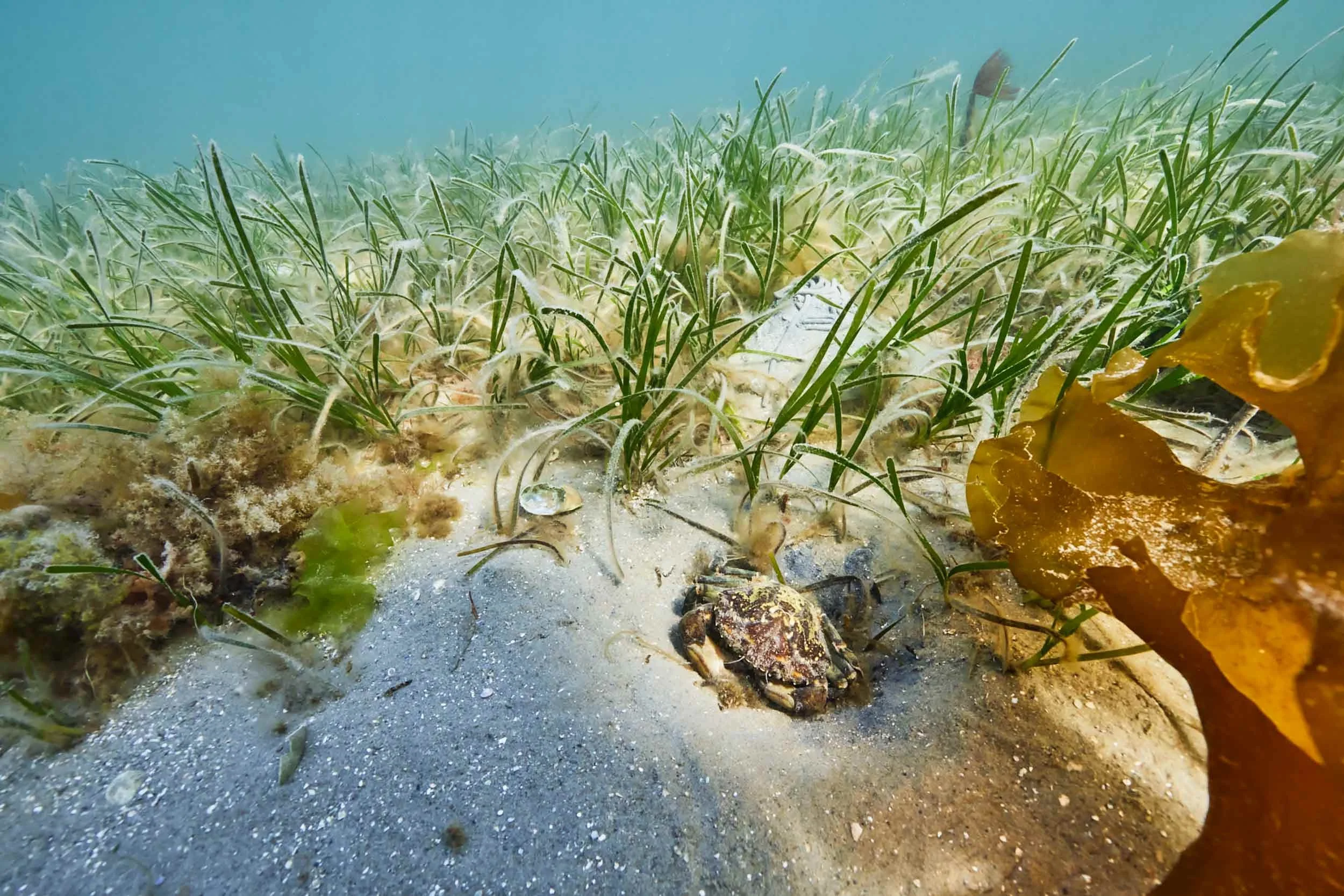
Since 2024, Seawilding has been leading pioneering efforts to restore UK seagrass meadows (Zostera marina) through the transplantation of adult shoots from donor sites. Initial trials near Loch Craignish have demonstrated exceptional success, with survival rates exceeding 90% and restoration plots achieving over 70% of natural seagrass coverage and density within 18 months, a significant technical breakthrough for UK marine habitat restoration.
Project goals
Building on this success, Seawilding aims to expand these trials to new sites with differing environmental conditions. The goals are to evaluate whether the transplantation methodology is effective in more exposed and deeper locations, and to assess the influence of donor material origin (local vs. Loch Craignish) on restoration success. This approach will inform strategies to reintroduce seagrass to areas where it has been lost, contributing to habitat recovery and enhanced carbon sequestration.
Site locations
Seawilding has identified three carefully selected sites on Scotland’s west coast for these trials, chosen for their suitable habitat conditions, potential for expansion, community interest, and ecological significance:
Ganavan Bay (near Oban): With existing healthy meadows and extensive areas suitable for expansion, this site benefits from strong potential community engagement through local groups and marine initiatives.
Loch na Cille (north of Loch Sween): Characterised by varied sediment types and exposure levels, this site provides an ideal setting to test the environmental adaptability of transplants; local community associations are active and supportive.
Port na Carraigh (Isle of Gigha): Featuring small existing meadows in a more exposed and deeper environment, this location offers opportunities for meadow enhancement and deep community involvement via the Isle of Gigha Heritage Trust.
At each site, two 10 x 10 metre transplant plots will be established in spring/summer 2026, one planted with approximately 500 local shoots and the other with 500 shoots from Loch Craignish. The planting phase will be followed by ongoing surveys through 2027 to monitor survival, growth, and seabed cover.
Community involvement
Seawilding and the Blue Carbon Trust both place community involvement at the heart of their ethos. Local volunteers will be actively engaged through training workshops, hands-on planting, and monitoring activities. This grassroots participation promotes stewardship and builds skilled local networks essential for the long-term success and scalability of restoration efforts.
Measuring success
Success metrics include transplant survival rates, expansion of seagrass coverage, recovery of harvested donor areas, and ecological improvements at trial sites. The project will also evaluate community engagement levels and project delivery effectiveness to optimise restoration techniques and cost efficiency for future scale-up.
Trial budgets
The three trials are budgeted at approximately £30,000 total, with individual site costs ranging from £10,000 to £13,000, with the Blue Carbon Trust providing £20,000 to complement other funding sources and increase project reach.
Seawilding’s innovative transplant trials represent a crucial step toward restoring vital seagrass ecosystems in Scotland, enhancing biodiversity, carbon sequestration, and community stewardship along the west coast. The Blue Carbon Trust is proud to support this pioneering work.
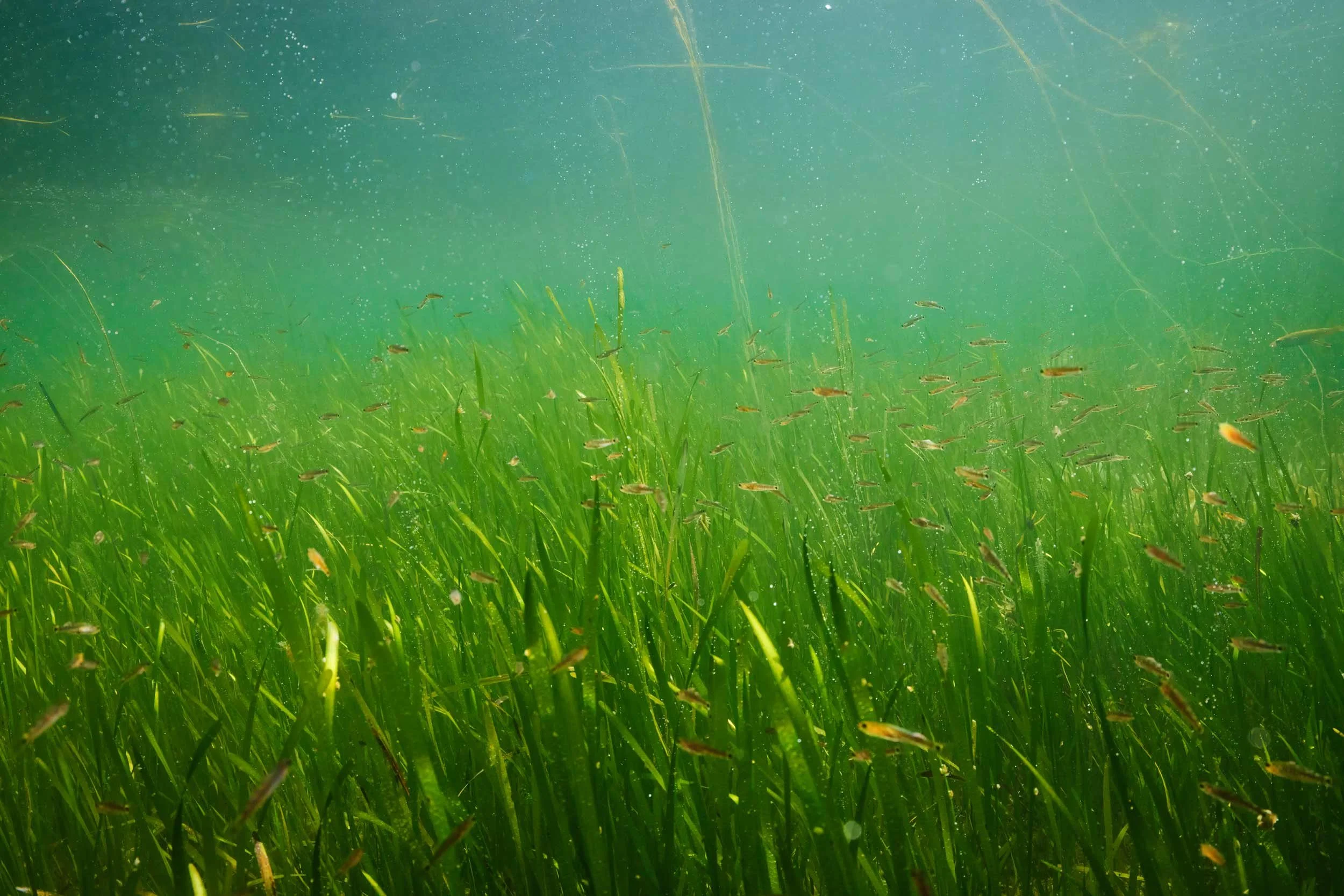
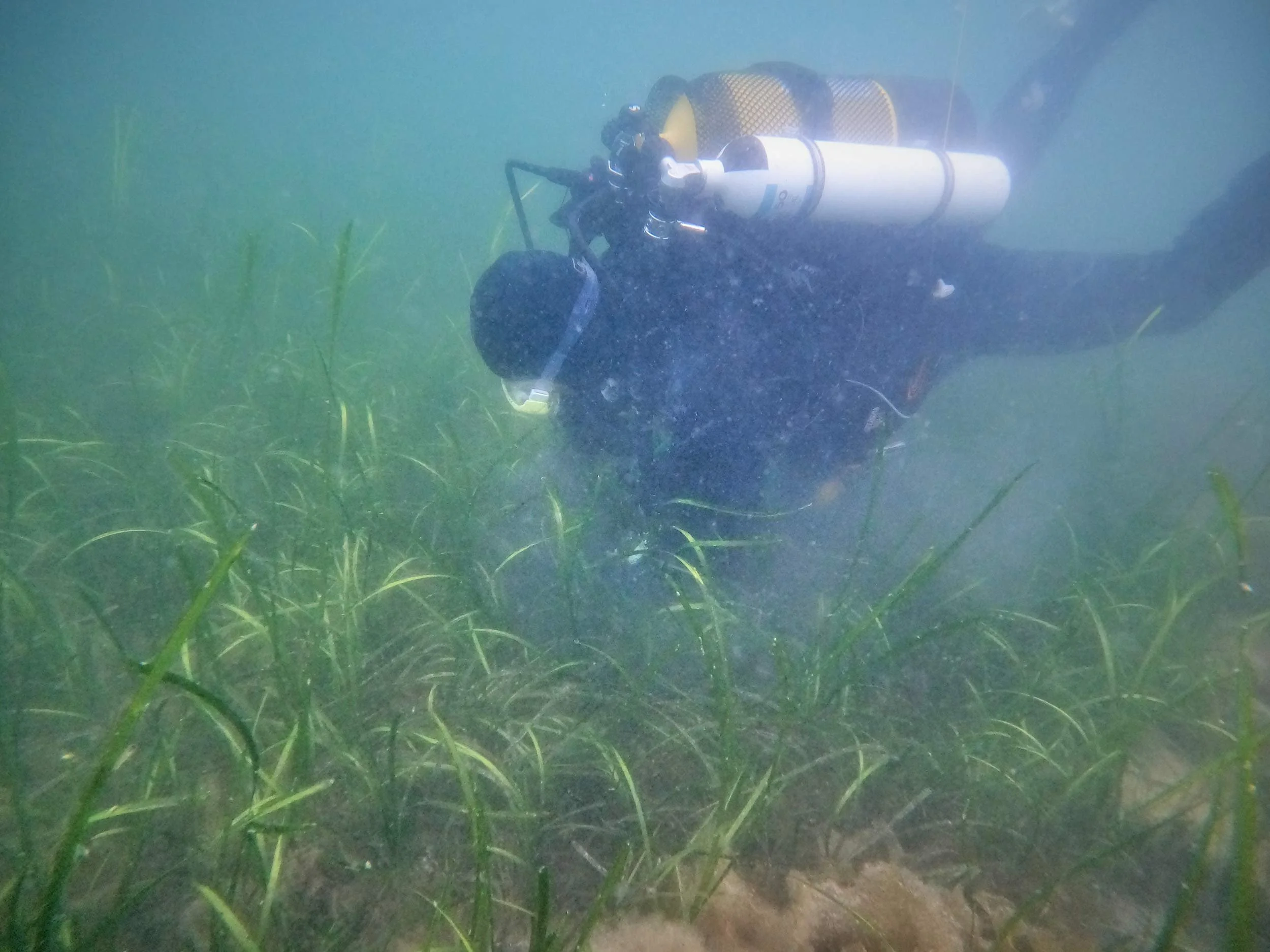
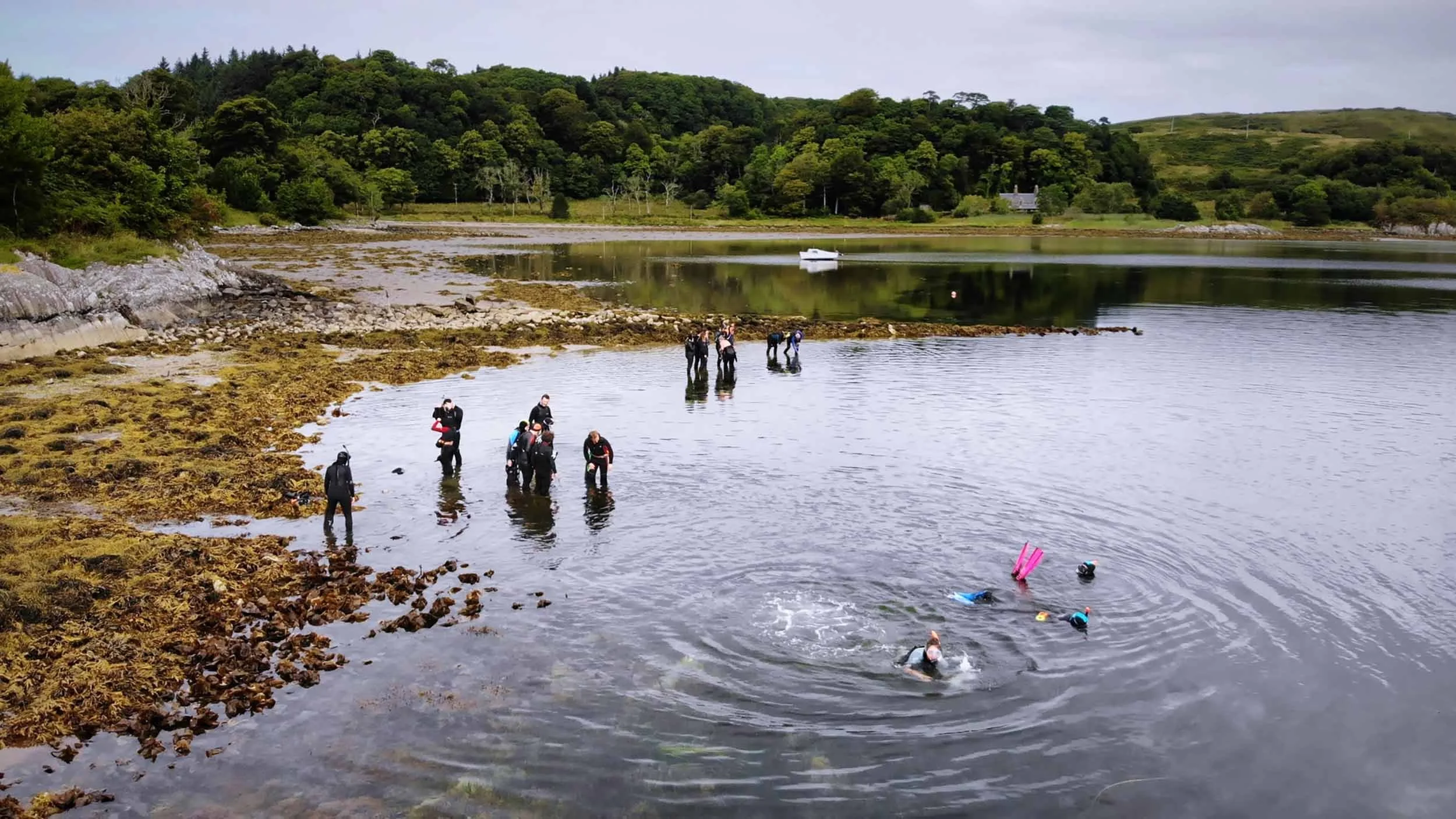
Image credit: Seawilding