Protecting Coastal Ecosystems for a Resilient Planet
Our mission: To protect and restore coastal and marine ecosystems, as vital blue carbon sinks

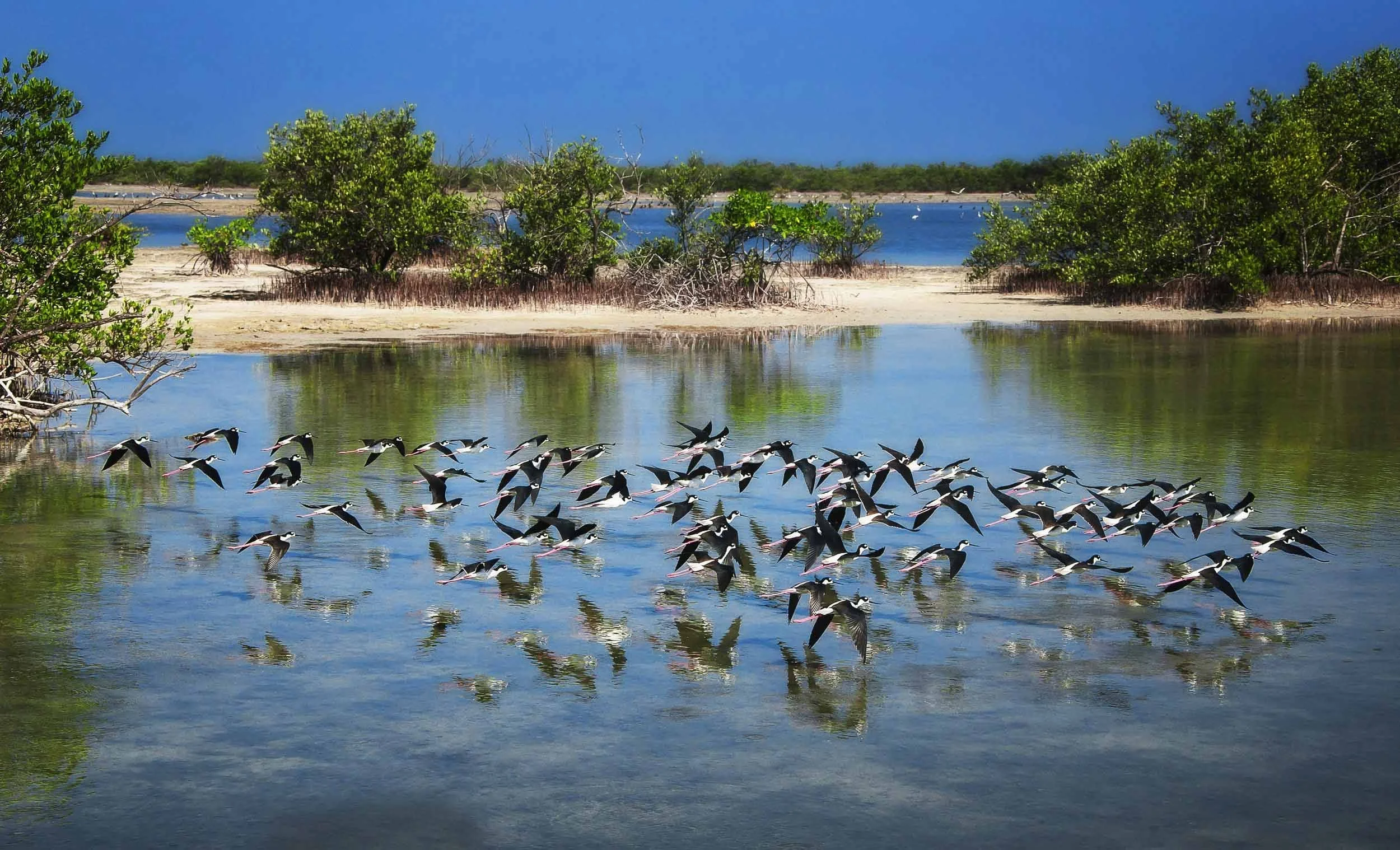
Saltmarshes
What is blue carbon?
Marine ecosystems including seagrass meadows, saltmarshes and mangroves absorb carbon dioxide from water and the atmosphere, just like plants and trees on land. The storage of carbon in marine habitats is called blue carbon.
Globally, despite covering less than 0.2% of the ocean floor, seagrass ecosystems are responsible for 10-18% of the ocean’s total carbon storage and can sequester carbon up to 35 times faster than tropical rainforests. This long-term storage in sediments makes seagrass meadows crucial for combating climate change and enhancing coastal resilience.
In the UK, seabed habitats could capture up to 13 million tonnes of organic carbon every year: almost three times the amount sequestered by the UK’s forests.
Seagrass meadows
What is blue carbon?
Marine ecosystems including seagrass meadows, saltmarshes and mangroves absorb carbon dioxide from water and the atmosphere, just like plants and trees on land. The storage of carbon in marine habitats is called blue carbon.
Globally, despite covering less than 0.2% of the ocean floor, seagrass ecosystems are responsible for 10-18% of the ocean’s total carbon storage and can sequester carbon up to 35 times faster than tropical rainforests. This long-term storage in sediments makes seagrass meadows crucial for combating climate change and enhancing coastal resilience.
In the UK, seabed habitats could capture up to 13 million tonnes of organic carbon every year: almost three times the amount sequestered by the UK’s forests.
Mangrove trees
What is blue carbon?
Marine ecosystems including seagrass meadows, saltmarshes and mangroves absorb carbon dioxide from water and the atmosphere, just like plants and trees on land. The storage of carbon in marine habitats is called blue carbon.
Globally, despite covering less than 0.2% of the ocean floor, seagrass ecosystems are responsible for 10-18% of the ocean’s total carbon storage and can sequester carbon up to 35 times faster than tropical rainforests. This long-term storage in sediments makes seagrass meadows crucial for combating climate change and enhancing coastal resilience.
In the UK, seabed habitats could capture up to 13 million tonnes of organic carbon every year: almost three times the amount sequestered by the UK’s forests.
Real impact comes from working together
Blue carbon is still a small but critical field, and we are a collaborative and constructive force within it. Our mission is to add value, support and amplify existing work, and partner with others.
We foster innovative approaches that combine the latest science with practical, on-the-ground action. From community-based restoration to policy engagement, we work across disciplines and sectors to deliver scalable, long-term outcomes for blue carbon ecosystems.
Our work is grounded in:
Partnerships
We actively seek collaboration with NGOs, research institutions, other funders, local communities, public bodies, and the private sector.
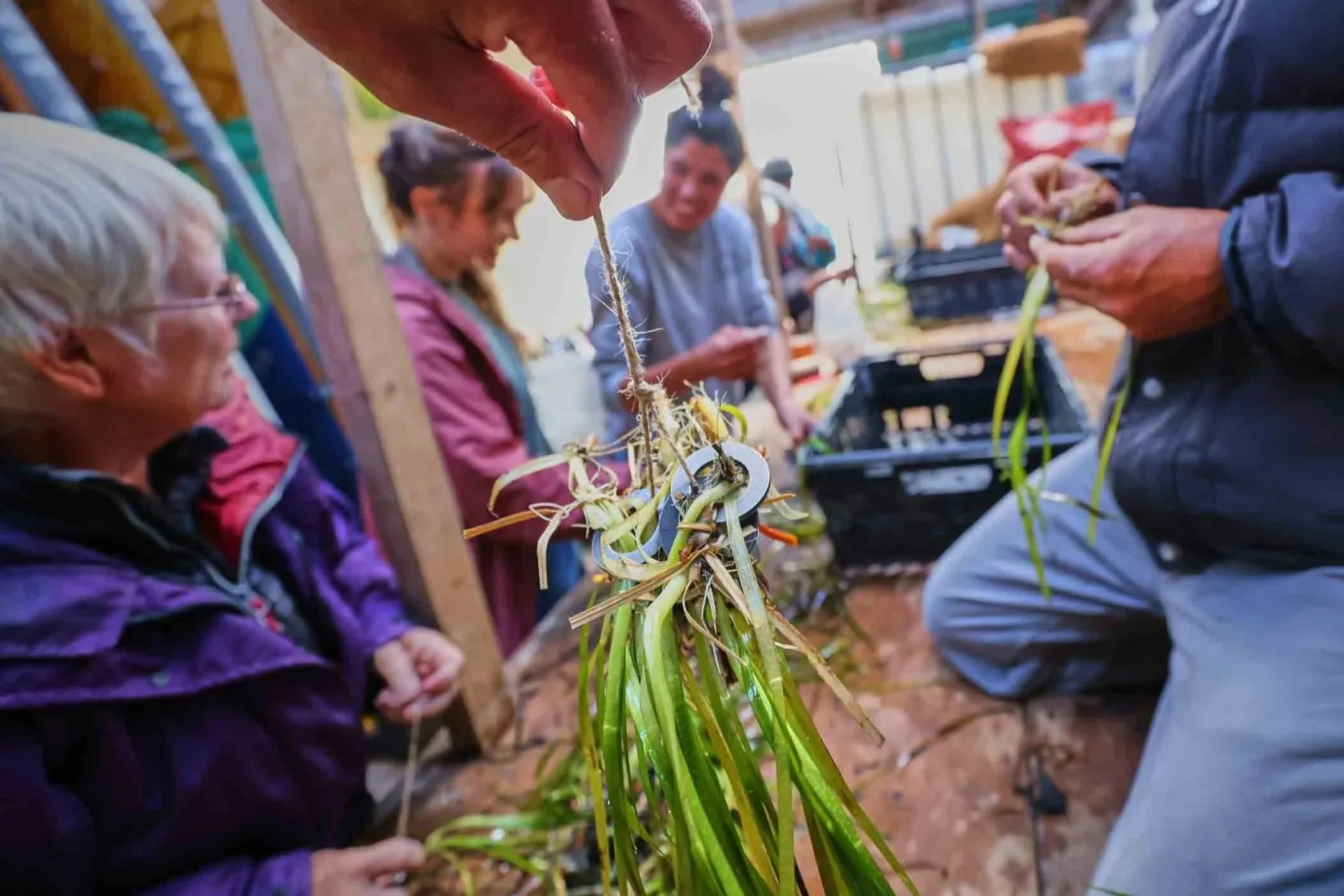
Innovation
We champion new ideas and tools that make blue carbon protection more effective, inclusive, and impactful.

Science & action
We support robust scientific research that informs practical solutions, ensuring that action is evidence-based and outcomes are measurable.

Collaborative funding
We work with other funders to maximise the impact of donations by collaborating and creating leverage.
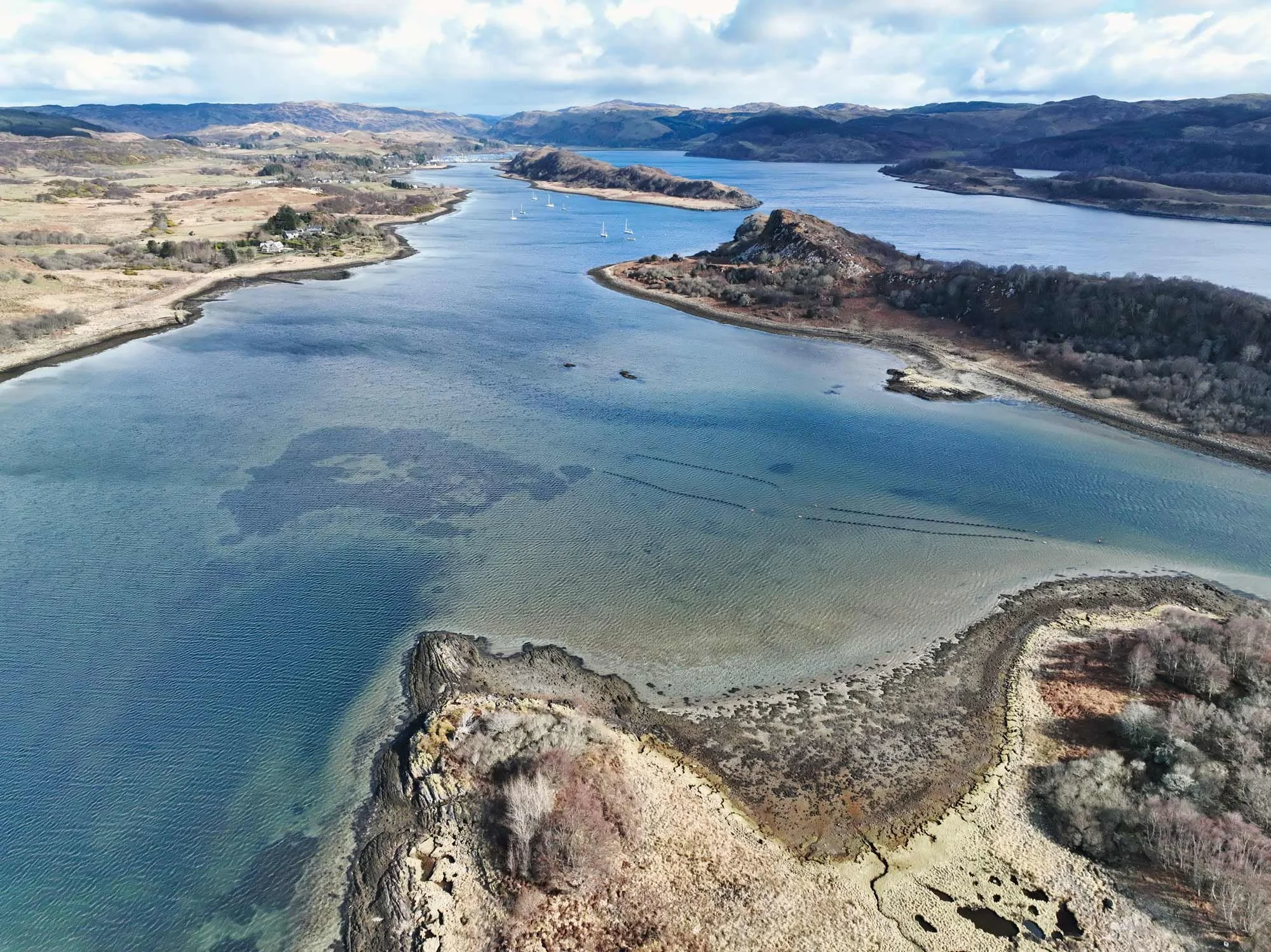
By focusing on collective impact, we aim to help unlock the potential of blue carbon as a climate and biodiversity solution
Apply for funding
We provide a flexible, independent and collaborative grant-giving model which enables local solutions to generate a positive impact for the ocean, climate and communities. If you're a registered charity, NGO, community group, or research organisation looking for funding for a blue carbon conservation project, we're here to help.
We offer a maximum of £20,000 per grant application, but are happy to consider applications which require a higher amount. We are also happy to provide match funding of up to £20,000 if you have already secured funding or are putting in a bid for funding which requires match funding
Please contact us early when considering funding of your project. Through our experience and networks we can help find other sources of funding to deliver your project.
Partners